Can you pay to appear in Perplexity and Gemini answers?

Co-Founder, Geo One
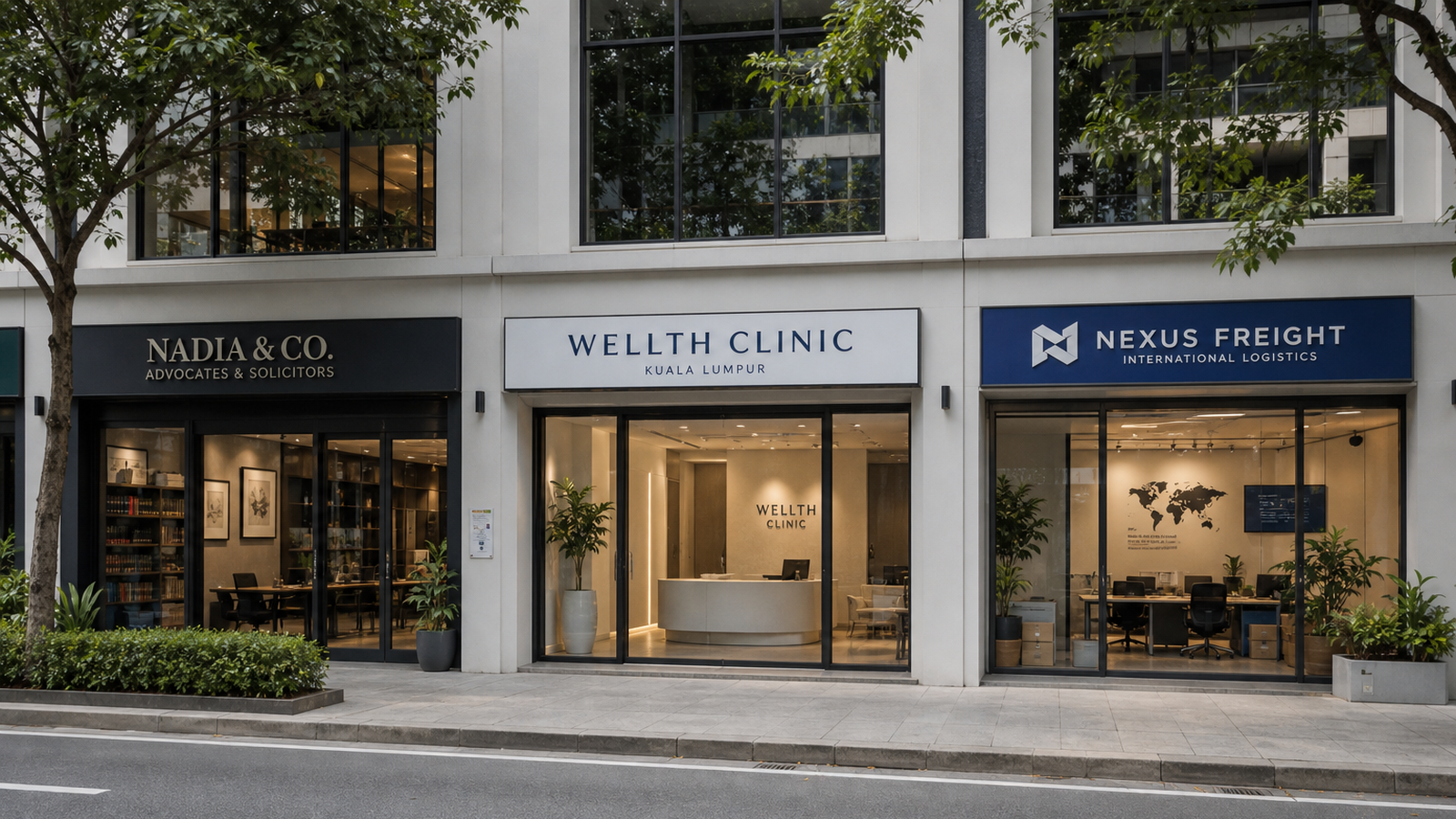
No. There is no advertising slot you can buy that places your clinic, law firm or freight company inside the answer Perplexity, Gemini or ChatGPT writes for a buyer. Those answers are assembled from sources the assistant retrieves and trusts at the moment the question is asked. Nobody, including us, can buy a place in them. What you can influence is the evidence they read: whether your pages are reachable by their crawlers, whether your business facts agree across the web, and whether independent sources mention you in the right context. That is earned visibility. It is slower and duller than buying ads.
This is written for owners and practice managers of Klang Valley professional services firms with 2 to 50 staff. Disclosure: it comes from Geo One, a Generative Engine Optimisation (GEO) and Answer Engine Optimisation (AEO) agency in Kuala Lumpur.
Why buying placement doesn't map onto an answer engine
A search ad is an auction. You bid, you win an impression, your listing appears above the organic results in a clearly marked box. An answer engine works the other way round. The model breaks the question apart, fetches pages it believes answer it, then writes a summary and attaches citations to the sources it used. Your budget never enters that loop.
So what can you actually buy?
Advertising does exist around AI answers. Both Google and Perplexity have introduced sponsored formats, labelled units sitting beside or beneath the generated text, or attached to the follow-up questions an assistant offers. These formats change often, so check the platform's current ad documentation rather than an agency's slide.
What matters is the boundary. Those units sit next to the answer. They do not enter the retrieval step that produced it, and they do not put your name in the citation list. Buying one is media. Getting cited is editorial.
This is the question worth asking anyone who pitches you "AI placement": which ad product, on which platform, at what cost per impression? If they can name it, you are buying media and you can judge it like media. If they cannot, they are selling you earned work at a guaranteed price, and no one can honour that guarantee, not us, not anyone.
What actually decides whether an assistant names you?
Four things, in roughly this order of impact for a small firm.
1. Crawler access. If the assistant's crawler cannot fetch your pages, nothing else you do has much effect. GPTBot, OAI-SearchBot, ClaudeBot, PerplexityBot and Google-Extended are separate user agents doing separate jobs, and a blanket Disallow copied from a template can catch all of them. Check the current names against OpenAI's bots page and Anthropic's crawler note, because the lists change. If you sit behind a bot filter, your rules there matter too, and Cloudflare's bot documentation explains how those controls behave.
2. Structured data that matches reality. Organisation or LocalBusiness markup, your services, your practitioners, your hours. Plugins produce schema easily. Very few produce schema that matches what the business actually does. The property definitions on Schema.org are the reference, not your plugin's defaults.
3. Facts that agree. Your registered name, address, phone number and opening hours across your website, your Google Business Profile and whatever directories carry you. When sources disagree, the model picks one. You want it picking yours.
4. Mentions you did not write. Relevant directories, industry publications, professional association listings and credible local coverage. We cover how that work is scoped in our note on earning citations and mentions in Kuala Lumpur.
The Malaysian version of "facts that agree"
Point three is where Klang Valley firms lose quietly, because the mismatches look harmless one at a time.
The SSM-registered name on your invoices is "Tan & Partners Advisory Sdn Bhd". Your signage and website say "TP Advisory". Your Google Business Profile says "TP Advisory KL". The phone is written 03-7956 xxxx on the website, +603 7956 xxxx on the profile and 012-xxx xxxx on WhatsApp. The address is "Jln SS2/24" in the footer, "Jalan SS2/24" on the profile, and the directory entry stops at "PJ" where another says "Petaling Jaya, Selangor Darul Ehsan". Someone updated the hours for Deepavali and never changed them back.
A model pulling these four sources together is answering a prior question before it answers the buyer's: is this one business or several? Every mismatch lowers its confidence that the review on the directory, the article mentioning your partner and the services page on your site describe the same entity, and an entity it cannot resolve is an entity it will not name.
The fix is unglamorous and cheap. Pick one canonical form of each fact, registered name, one trading name, one phone format, one spelled-out address, write it down, and push it to every surface you control. Do that before you spend anything on content.
What does Gemini behaviour in Malaysia mean for your content?
Mobile delivery and Bahasa Malaysia use are the two practical pressures. Pages should answer in the first paragraph and render on a phone without a layout that requires a wide screen. If your buyers mix Bahasa Malaysia and English in the same conversation, which most Klang Valley buyers do, your key service pages need a Bahasa version with real content, not a machine translation of your homepage. And images should be named, captioned and described, because an image with no surrounding text tells a model nothing.
Gemini and Perplexity are not interchangeable, and we've written separately on why the two engines behave differently for Malaysian businesses.
The check you can run this afternoon
Open Perplexity. Do not search your own name, that tells you nothing a buyer would ever see. Type the question a buyer actually types: "conveyancing lawyer in Petaling Jaya for a sub-sale purchase", "vet clinic open Sunday Damansara", "freight forwarder Port Klang LCL to Jakarta".
Then ignore the answer and read the citation list. There are three things you can find there, and each one points at different work:
- Sources you could plausibly appear on, but don't. A directory, an association listing, a local publication. This is a mentions problem, and it is the slowest to fix.
- Sources that name you with facts that are wrong or stale. This is the reconciliation problem above, and it is the fastest and cheapest thing on this list.
- Nothing credible cited at all, the assistant hedges or cites something generic and foreign. The page that answers that question properly does not exist yet in Malaysia. That is the only situation where writing new content is the first move rather than the third.
Repeat it in Gemini and ChatGPT. The lists will differ, and the differences are the point.
If the honest answer after that exercise is that your crawler rules are blocking the engines, or that four sources disagree about your phone number, you do not need an agency for the first month of it. You need an afternoon. Call someone when the work moves to mentions you cannot write yourself, and when they tell you they can guarantee placement, you now know what to ask them.
Frequently asked questions
Can I pay Perplexity or Gemini to show my business in their answers?
No. There is no advertising slot you can buy that places your clinic, law firm or freight company inside the answer Perplexity, Gemini or ChatGPT writes. Those answers are assembled from sources the assistant retrieves and trusts at the moment the question is asked. Where an assistant does sell advertising inside its product, that surface sits beside the generated answer rather than inside the retrieval that produced it.
What matters most if I want an assistant to name my firm?
Crawler access comes first. If the assistant's crawler cannot fetch your pages, nothing else you do has much effect. After that comes structured data that matches what your business actually does, then consistent facts such as registered name, address, phone number and opening hours across your website, Google Business Profile and directories, then mentions you did not write yourself.
how earning citations and mentions in Kuala Lumpur is scoped
Could my site be blocking AI crawlers without me knowing?
Yes. GPTBot, OAI-SearchBot, ClaudeBot, PerplexityBot and Google-Extended are separate user agents doing separate jobs, and a blanket Disallow copied from a template can catch all of them. Check the current names against OpenAI's and Anthropic's documentation, because the lists change. If you sit behind a bot filter, the rules you set there matter too.

Bernard Leong
Co-Founder, Geo One
Nearly 20 years across energy, capital strategy and applied AI, including large-scale operational data at BP. Founded SkillsMe and Cryptrain.
More about the teamCheck Your AI Visibility
See how AI platforms currently view your business with a free scan.
Free AI Scan